


09 Jun Dental Decay: Causes, Types, Prevention, and Treatment
Dental decay is one of the most common oral health concerns, but it does not always begin with obvious pain. In many cases, the earliest stages develop quietly, starting with weakened enamel before progressing into a cavity that requires professional care.The good news is that dental decay can often be prevented, slowed, or treated when it is identified early. Understanding how it develops, where it appears, and what treatment may involve can help you make informed decisions about your oral health.
At True Dental in West Kelowna, our team focuses on preventive care, early diagnosis, and practical treatment options designed around each patient’s needs.
The Everyday Causes Behind Dental Decay
Dental decay develops when bacteria in the mouth interact with sugars and carbohydrates from food and drinks. This process produces acids that gradually weaken enamel, the hard outer layer that protects each tooth.
A healthy mouth naturally goes through cycles of mineral loss and repair. Saliva helps neutralize acids and replace minerals in the enamel. However, when acid attacks happen too frequently, the tooth may not have enough time to recover. The weakened area can eventually become a cavity.
Common dental decay causes include:
- Frequent snacking or sipping on sugary drinks
- Inconsistent brushing and flossing
- Plaque buildup around the teeth and gumline
- Dry mouth or reduced saliva production
- Deep grooves that trap food and bacteria
- Exposed tooth roots caused by gum recession
- Regular consumption of acidic foods and beverages
Sugar is not the only concern. Crackers, bread, chips, and other starches can break down into sugars and contribute to plaque acids. Even foods marketed as healthy may increase the risk of dental decay when they are consumed frequently throughout the day.
Dry mouth can also play an important role. Saliva protects the teeth by washing away food particles, balancing acidity, and supporting enamel repair. Certain medications, health conditions, dehydration, and lifestyle habits may reduce saliva flow and make cavities more likely.
The Most Common Types of Dental Decay

Not every cavity develops in the same location or progresses at the same rate. Understanding the main types of dental decay helps explain why certain teeth or surfaces may require additional protection.
Smooth-Surface Decay
Smooth-surface cavities develop on the flat outer areas of the teeth. They often progress slowly and may begin as a faint white or chalky spot where minerals have been lost from the enamel.
Because this type can be slow-moving, early changes may sometimes be managed with improved oral hygiene, fluoride, dietary adjustments, and regular monitoring. Once a physical cavity forms, restorative dental decay treatment may be necessary.
Pit-and-Fissure Decay
The chewing surfaces of the back teeth contain natural grooves, pits, and fissures. These spaces can be difficult to clean thoroughly, especially when the grooves are narrow or deep.
Food and plaque can settle into these areas, making molars particularly vulnerable. Pit-and-fissure decay may progress more quickly because enamel can be thinner within the grooves.
Dental sealants may be recommended as a preventive measure, particularly for children and teenagers. Some adults with deep, cavity-prone grooves may also benefit from sealants.
Root Decay
Root decay occurs when part of the tooth root becomes exposed because of gum recession or changes in gum health. Unlike the visible crown of a tooth, the root is not protected by a thick layer of enamel.
This type of dental decay is more common among older adults, patients with dry mouth, and people experiencing receding gums. Root cavities may progress quickly and require timely care to protect the remaining tooth structure.
Decay can also develop around older fillings, crowns, or other restorations. Small spaces may form along their edges over time, allowing bacteria and plaque to collect in areas that are difficult to clean.
How Dentists Classify Dental Decay
Dental decay classification helps dentists describe where a cavity is located and how far it has progressed. This information supports diagnosis, communication, and treatment planning. One common approach classifies decay according to its stage of development:
Initial demineralization: Minerals begin leaving the enamel, sometimes creating a white spot.
Enamel decay: The outer enamel breaks down and a small cavity begins to form.
Dentin decay: Damage reaches the softer layer beneath the enamel and may progress more rapidly.
Pulp involvement: Bacteria and inflammation reach the inner area containing nerves and blood vessels.
Abscess formation: An untreated infection may spread beyond the tooth, causing swelling, pressure, or severe pain.
Dentists may also use a dental decay classification system based on the surface of the tooth involved. For example, one category may describe cavities in the grooves of molars, while another identifies decay between front teeth. Patients do not need to memorize these categories. What matters is that classification helps determine how much tooth structure has been affected and which dental decay solution may be most appropriate. Early enamel changes may not cause sensitivity or visible damage. Dental X-rays can also help identify cavities between teeth or beneath existing restorations before they become larger.
Practical Dental Decay Prevention Tips
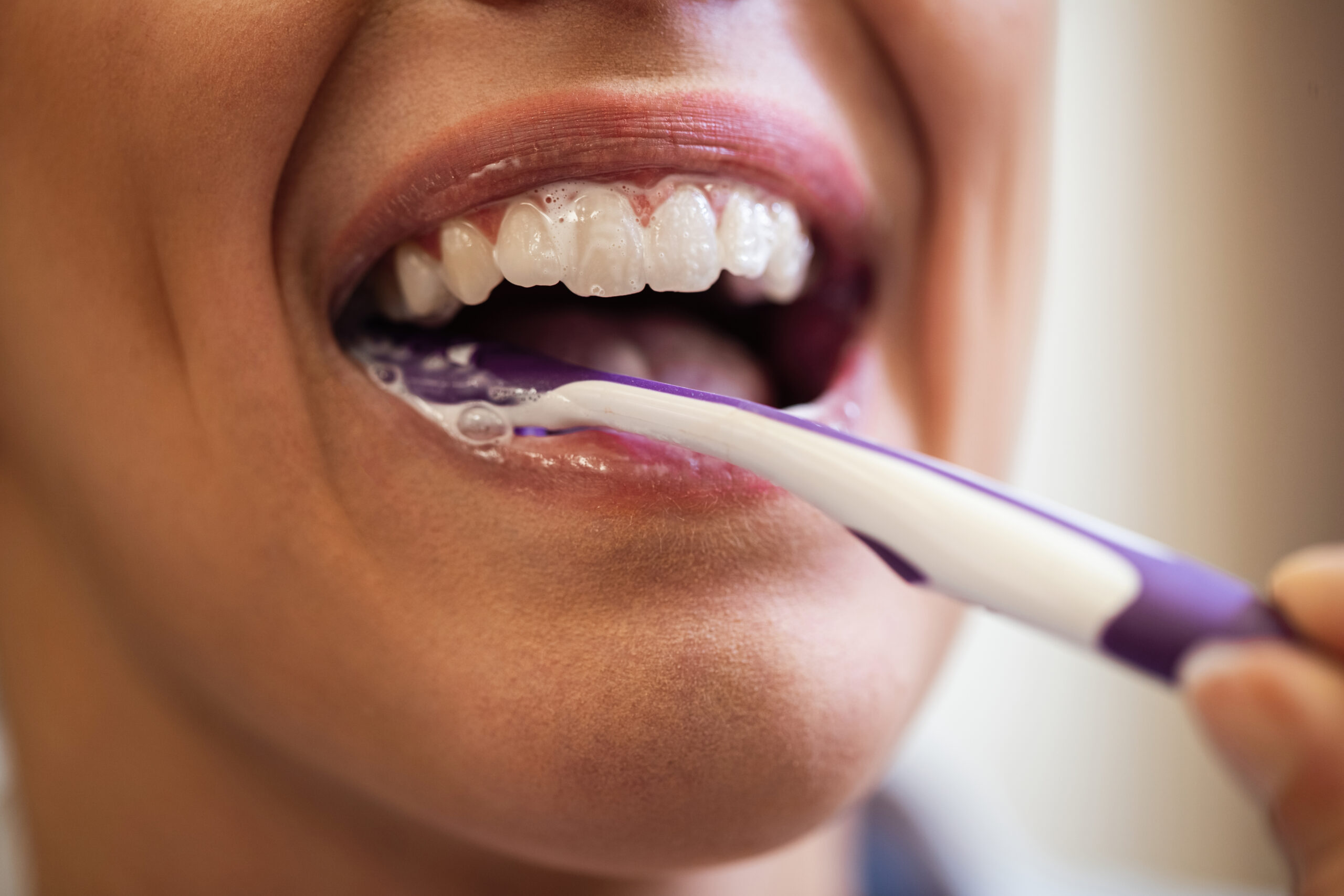
Effective dental decay prevention is not about brushing harder. It is about reducing the frequency of acid attacks, removing plaque consistently, and supporting the natural protective systems in your mouth.
Brush Thoroughly Twice a Day
Brush for approximately two minutes using fluoride toothpaste. Pay close attention to the gumline, back teeth, and areas surrounding existing dental work.
A soft-bristled toothbrush is generally enough to remove plaque without irritating the gums or wearing down the enamel.
Clean Between Your Teeth
A toothbrush cannot fully reach the spaces between teeth. Floss, interdental brushes, or a water flosser can help remove plaque and food from these cavity-prone areas. Cleaning between the teeth once a day is an important part of dental decay prevention, especially because cavities between teeth can be difficult to notice without an examination.
Reduce Frequent Sugar Exposure
The amount of sugar you consume matters, but frequency matters too. Slowly sipping a sweetened coffee, energy drink, or soft drink repeatedly exposes the teeth to acid. Try to enjoy sugary foods and beverages during meals rather than grazing or sipping throughout the day. This gives saliva more time to neutralize acids between exposures.
Drink More Water
Water helps rinse food particles from the mouth and supports saliva production. Choosing water instead of sweetened or acidic drinks is one of the simplest ways to lower cavity risk.
Attend Routine Dental Visits
Professional examinations and cleanings help identify early warning signs that may not yet be visible or painful. Removing hardened tartar also makes it easier to maintain healthy teeth and gums at home.
Ask About Fluoride and Sealants
Fluoride can strengthen enamel and make it more resistant to acids. Dental sealants protect deep grooves on the chewing surfaces of vulnerable teeth. Your dentist can determine whether these preventive options are suitable for you or your child.
The best dental decay prevention plan is one that fits your real routine. Small habits performed consistently are usually more effective than a complicated routine that is difficult to maintain.
Dental Decay Treatment and Long-Term Solutions

The appropriate dental decay treatment depends on the location, depth, symptoms, and overall condition of the affected tooth. Treatment is generally simpler when damage is discovered early.
For early demineralization, a dentist may recommend:
- Prescription or professional fluoride products
- Improved brushing and flossing
- Dietary changes
- Dry-mouth management
- Regular monitoring
At this stage, the goal is to support remineralization before a permanent opening develops in the enamel.
When a cavity has already formed, a filling is a common dental decay solution. The damaged portion is removed, the tooth is cleaned, and the space is restored using a suitable filling material. This helps restore function and prevent bacteria from spreading deeper into the tooth. Larger cavities may require an inlay, onlay, or dental crown when there is not enough strong tooth structure to support a standard filling. These restorations provide additional strength and coverage.
When dental decay reaches the pulp, root canal treatment may be necessary. During the procedure, infected or inflamed tissue is removed from inside the tooth. The space is then cleaned, sealed, and often protected with a crown. In cases where a tooth is severely damaged and cannot be predictably restored, extraction may be recommended. Your dentist can discuss replacement options, including a dental implant or bridge, to restore appearance and chewing function.
Ignoring dental decay rarely makes it disappear. Instead, a small and manageable cavity may become a more complicated problem involving pain, infection, or tooth loss. Seeking care early can preserve more natural tooth structure and reduce the extent of treatment required.
Protect Your Smile with True Dental
Dental decay can affect children, teenagers, adults, and seniors. Your level of risk may also change throughout life because of diet, medications, gum recession, oral hygiene habits, or changes in saliva production.
Regular dental care provides an opportunity to identify early damage, understand your personal risk factors, and select a dental decay treatment plan that supports your long-term health.
Whether you need preventive guidance, a routine examination, or help with a painful tooth, the True Dental team is here to provide clear answers and comfortable care. Do not wait for a small cavity to become a dental emergency. Contact True Dental to book an appointment and learn more about dental decay prevention, diagnosis, and treatment in West Kelowna.