


08 Jul Wisdom Tooth Pain: When to Worry, What to Expect, and How Removal Can Help
Wisdom tooth pain has a way of showing up at the worst possible time. One day, everything feels fine. The next, your back molars ache, your jaw feels tender, or you notice swelling near the very back of your mouth. For some people, wisdom teeth come in without much fuss. For others, they can create discomfort, crowding, infection, or ongoing dental concerns that need professional attention.
At True Dental in West Kelowna, our team helps patients understand what is causing their discomfort and whether wisdom tooth removal may be the best next step. If your teeth hurt near the back of your mouth, especially around the late teens, twenties, or even later adulthood, wisdom teeth could be part of the problem. This guide explains why wisdom tooth pain happens, when to see a dentist, what to expect from a wisdom tooth extraction, and how to support a smoother recovery.
Understanding the Source of Wisdom Tooth Pain
Wisdom teeth are the third molars located at the very back of the mouth. They usually appear between the ages of 17 and 25, although not everyone develops them at the same time. Some people have all four wisdom teeth, while others have fewer or none at all. Wisdom tooth pain often happens because there simply is not enough room for these final molars to grow in properly. When wisdom teeth try to erupt into a crowded area, they may push against neighbouring teeth, become trapped under the gums, or only partially break through the surface.
Common causes of wisdom tooth pain include:
Pressure from crowding
A wisdom tooth may press against nearby molars, creating soreness, tightness, or a dull ache.
Partial eruption
When wisdom teeth only come through partway, the gum tissue around them can become irritated and harder to clean.
Impaction
Impacted wisdom teeth are stuck beneath the gums or bone and may grow at an angle instead of emerging normally.
Inflammation or infection
Food and bacteria can collect around partially erupted wisdom teeth, leading to swollen gums, bad breath, tenderness, or infection.
Cavities or gum problems
Because wisdom teeth are difficult to reach with brushing and flossing, they are more prone to decay and gum irritation.
If your teeth hurt at the back of your mouth, it is worth having the area assessed. Wisdom tooth pain can be mild at first, but it may become more uncomfortable if the underlying cause is left untreated.
Warning Signs That Your Wisdom Teeth Need a Closer Look
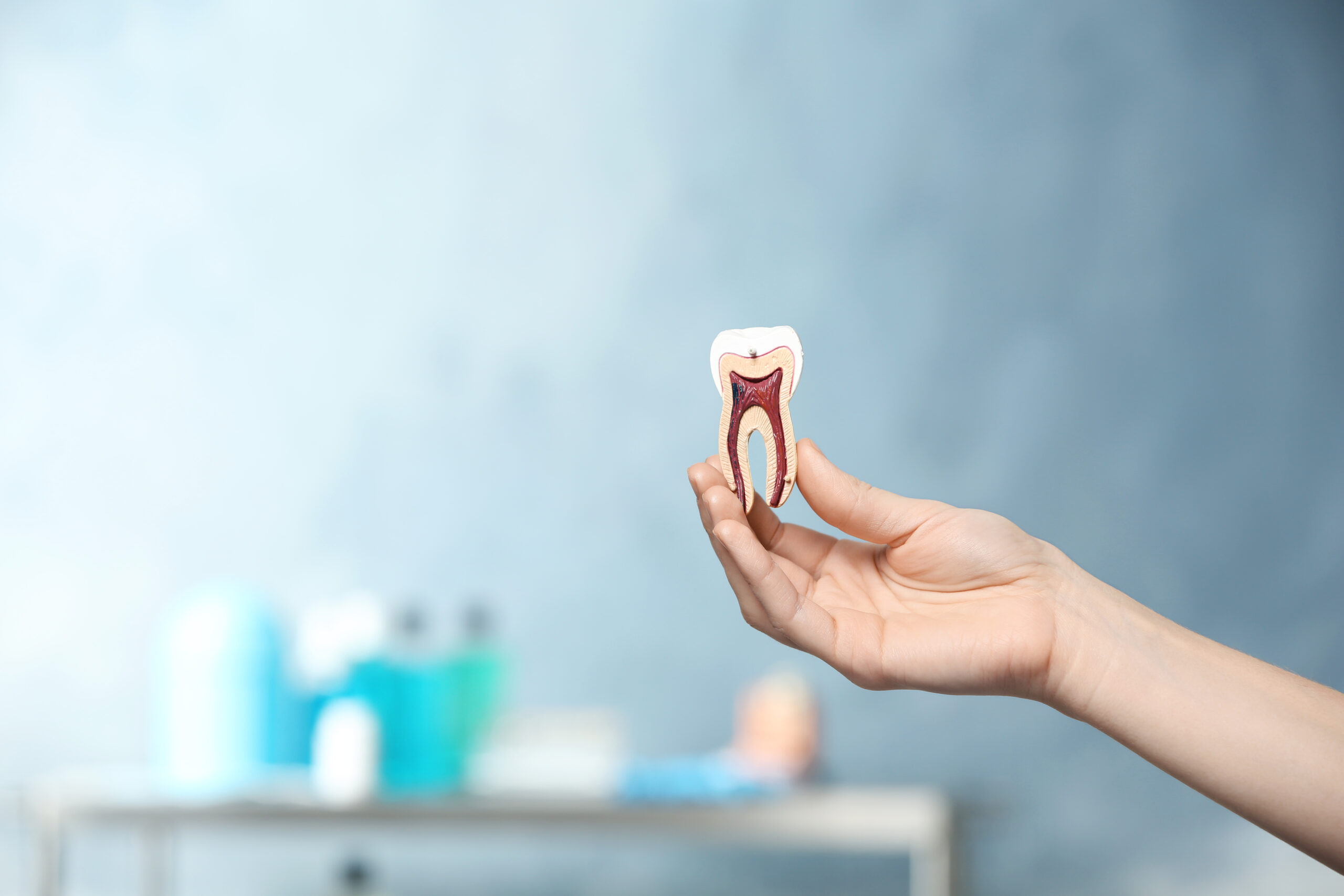
Not every ache means you need wisdom tooth removal right away. However, certain symptoms should not be ignored. Wisdom teeth can cause problems gradually, and early assessment can help prevent more serious discomfort later.
You may need to see a dentist if you notice:
- Pain or pressure behind your second molars
- Swelling in the gums or jaw
- Red, tender, or bleeding gum tissue
- Difficulty opening your mouth comfortably
- A bad taste or persistent bad breath
- Headaches or jaw tension
- Pain when chewing
- Crowding or shifting teeth
- Signs of infection around the back molars
Wisdom tooth pain may come and go, especially when the tooth is trying to erupt. Some people feel soreness for a few days and then notice it settles. Others experience repeated flare-ups that become more intense over time. This is where professional guidance matters. West Kelowna dentists can examine your mouth, take dental X-rays, and determine whether your wisdom teeth are healthy, erupting normally, or creating problems below the surface.
Erupted and Impacted Wisdom Teeth Explained
One of the biggest factors in treatment planning is whether your wisdom teeth are erupted, partially erupted, or impacted.
Erupted Wisdom Teeth
Erupted wisdom teeth have fully come through the gums. If they are positioned correctly, easy to clean, and not causing pain or damage, they may not need to be removed. Some people keep erupted wisdom teeth for years without issue. However, erupted wisdom teeth can still become problematic if they are difficult to brush, develop cavities, trap food, or irritate the surrounding gum tissue. Because they sit so far back in the mouth, keeping them clean can be challenging.
Partially erupted wisdom teeth are only partly visible above the gums. These often cause trouble because a small flap of gum tissue can create a space where bacteria and food debris collect. This can lead to inflammation, infection, and recurring wisdom tooth pain.
Impacted Wisdom Teeth
Impacted wisdom teeth are trapped beneath the gums or jawbone. They may grow sideways, tilt toward nearby teeth, or remain stuck under the surface. Impacted wisdom teeth may cause pain, cysts, infection, or damage to neighbouring molars, even if you cannot see them in your mouth. This is why X-rays are so important. A wisdom tooth may look harmless from the outside while still causing pressure or problems underneath the gums. If a wisdom tooth operation is recommended, your dentist will explain why removal is the most appropriate option and what type of procedure is needed.
What Happens During Wisdom Tooth Removal

Wisdom tooth removal is a common dental procedure, and the experience depends on the position of the tooth, whether it has erupted, and whether it is impacted. Some cases are straightforward, while others require wisdom tooth surgery.
Before treatment, your dentist will review your X-rays, discuss your symptoms, and explain the procedure. You will also have the opportunity to ask questions about comfort, sedation options, recovery, and aftercare. A simple wisdom tooth extraction may be possible when the tooth is fully erupted and easy to access. In this case, the dentist gently loosens and removes the tooth.
A wisdom tooth operation or wisdom tooth surgery may be required if the tooth is impacted, partially covered by gum tissue, or positioned at an angle. In these cases, the dentist may need to make a small opening in the gum to access the tooth. Sometimes, the tooth is sectioned into smaller pieces to make removal more comfortable and controlled. During wisdom tooth removal, your comfort is a priority. Local freezing is used to numb the area, and your dental team will make sure you understand what to expect before the procedure begins.
Many patients feel nervous before a wisdom teeth operation, especially if they have never had a tooth removed before. That is completely normal. A calm, clear explanation can make a big difference. At True Dental, patients are supported with gentle care, honest guidance, and a focus on helping the appointment feel as manageable as possible.
Recovery, Healing Time, and Aftercare Tips

After wisdom tooth extraction, healing happens in stages. The exact wisdom tooth removal healing time depends on the complexity of the procedure, your overall health, and how closely you follow your aftercare instructions.
For many patients, the first few days involve the most tenderness and swelling. Most people begin to feel noticeably better within three to seven days, although full healing of the gum tissue may take longer. If wisdom tooth surgery was more complex, recovery may take additional time. Good aftercare wisdom tooth extraction habits can help reduce discomfort and lower the risk of complications.
Important aftercare tips include:
Rest for the first 24 hours
Avoid strenuous activity and give your body time to begin healing.
Bite gently on gauze as directed
This helps control bleeding and supports the formation of a healthy blood clot.
Use cold compresses for swelling
Applying a cold pack to the outside of your face can help reduce swelling during the first day.
Stick to soft foods
Smoothies eaten with a spoon, yogurt, mashed potatoes, scrambled eggs, soup that is not too hot, and applesauce can be easier to manage.
Avoid straws and smoking
Suction can disturb the healing clot and increase the risk of dry socket.
Keep the area clean
Follow your dentist’s instructions for rinsing and brushing. Avoid aggressive rinsing in the first 24 hours.
Take medication as recommended
Use prescribed or recommended pain relief as directed by your dentist.
Some soreness, swelling, and mild bleeding can be normal after wisdom tooth removal. However, you should contact your dentist if pain worsens after a few days, swelling increases, bleeding does not slow, or you develop fever, pus, or a bad taste that does not improve.
When Wisdom Tooth Pain Should Not Wait
Wisdom tooth pain can feel like a small annoyance at first, but it may be a sign that your mouth needs attention. Whether you have erupted wisdom teeth, impacted wisdom teeth, or recurring discomfort near the back of your jaw, a dental assessment can help you make an informed decision.
You do not need to guess why your teeth hurt. With a proper exam and X-rays, your dentist can identify whether the issue is related to a wisdom tooth, gum inflammation, decay, infection, or another dental concern.
For patients looking for West Kelowna dentists who provide thoughtful, patient-focused care, True Dental offers support from diagnosis through treatment and recovery. Whether you need monitoring, a wisdom tooth extraction, or guidance after wisdom tooth removal, our team is here to help you feel informed and comfortable at every step. If wisdom tooth pain is interfering with your day, your sleep, or your ability to chew comfortably, book an appointment with True Dental. Getting answers early can help prevent bigger issues and bring you one step closer to lasting relief.