


03 Sep Dental Anxiety: How to Feel More Comfortable and Confident at the Dentist
Feeling nervous before a dental appointment is more common than many people realize. For some, it starts as a little uneasiness in the waiting room. For others, dental anxiety can feel overwhelming enough to delay checkups, ignore tooth pain, or avoid dental care altogether.
The good news is that dental anxiety can be managed with the right support, communication, and care environment. Whether you have a mild fear of the dentist or you feel scared to go to the dentist after a difficult past experience, you are not alone, and you are not “bad” for feeling this way.
At True Dental in West Kelowna, our goal is to help patients feel heard, respected, and comfortable at every stage of their visit. If you have been looking for a dentist for anxiety, or you are wondering how to overcome dental anxiety before your next appointment, this guide is for you.
Understanding Dental Anxiety and Why It Happens
Dental anxiety is a feeling of stress, worry, or fear connected to dental visits or dental treatment. It can happen before an appointment, while sitting in the dental chair, or even when simply thinking about booking a visit.
There are many reasons someone may develop dental anxiety. Some patients had a painful or uncomfortable dental experience in the past. Others may feel embarrassed about their teeth, worried about cost, concerned about pain, or uncomfortable with the sounds and sensations of dental treatment. For some people, dentist fear is connected to feeling a loss of control while someone is working inside their mouth.
Dental anxiety can also build over time. A person may skip one appointment because they feel nervous, then feel more anxious later because they are worried their oral health has gotten worse. This can create a cycle where avoiding the dentist temporarily reduces stress, but makes future visits feel even more intimidating.
The first step in dental anxiety management is recognizing that your fear is valid. A compassionate dental team will not judge you for being afraid of the dentist. Instead, they should work with you to understand your concerns, explain your options, and help you feel more in control.
Recognizing the Signs of Dentist Fear

Dental anxiety looks different for everyone. Some people can still attend appointments but feel tense the entire time. Others may cancel repeatedly, avoid opening reminder emails, or only seek care when pain becomes impossible to ignore.
Common signs of dental anxiety may include:
- Feeling nervous days or weeks before a dental appointment
- Trouble sleeping the night before a visit
- Feeling tense, shaky, or emotional in the waiting room
- Avoiding routine cleanings or checkups
- Feeling embarrassed about asking questions
- Worrying that treatment will hurt
- Feeling trapped or out of control in the dental chair
- Becoming overwhelmed by dental sounds, smells, or tools
Some patients who are scared of the dentist may also experience physical symptoms, such as a racing heart, sweating, nausea, or shortness of breath. These reactions can feel frustrating, especially when part of you knows that dental care is important but another part of you wants to leave immediately.
If this sounds familiar, it may help to tell your dental team before your appointment begins. Saying, “I have dental anxiety,” gives your dentist and hygienist the chance to slow down, explain each step, and check in with you throughout your visit. You do not have to pretend everything is fine. A good dental anxiety dentist will take your concerns seriously.
Dental Phobia, Odontophobia, and Extreme Dental Anxiety
While many patients experience some level of nervousness, dental phobia is more intense. Dental anxiety and phobia are connected, but they are not always the same. Dental anxiety may cause worry or discomfort, while dental phobia can create a much stronger fear response that makes it feel almost impossible to attend an appointment.
Odontophobia is another term used to describe an intense fear of dental care. People with odontophobia may avoid the dentist for years, even when they have pain, swelling, broken teeth, or concerns about their gums. This does not happen because they do not care about their health. It happens because the fear feels bigger than the appointment itself.
Extreme dental anxiety can be especially difficult because it often comes with shame. Patients may worry that the dentist will lecture them, criticize their teeth, or make them feel guilty for waiting so long. That fear of judgment can become just as powerful as the fear of treatment.
This is why choosing a dentist for nervous patients matters. The right dental office should make space for your story. Maybe you had a painful childhood experience. Maybe you gag easily. Maybe you feel embarrassed about your smile. Maybe you are scared to go to the dentist and do not know exactly why. You still deserve gentle, respectful care.
Dental anxiety management may include communication tools, shorter appointments, breaks during treatment, comfort options, sedation options, or simply taking the first visit slowly. For some patients, the first success is not completing major treatment. It is walking through the door and realizing the experience can be different this time.
How to Feel More Prepared Before Your Dental Appointment

If you are wondering how to overcome dental anxiety, it helps to start before the appointment. Preparation can make the visit feel less unknown, and less unknown often means less fear. Start by choosing an appointment time that works with your stress levels. If mornings are easier, book early so you do not spend the entire day worrying. If you need time to settle in, avoid squeezing your appointment between stressful commitments. Next, let the office know that you have dental anxiety when you book. You do not need to explain everything in detail. A simple note like, “I am nervous about dental visits and may need extra time,” can help the team prepare for your visit with more sensitivity.
You can also write down your concerns before you arrive. This may include:
- Fear of pain
- Fear of needles
- Sensitive teeth
- A strong gag reflex
- Embarrassment about oral health
- Difficulty feeling in control
- Anxiety around sounds or tools
- Past dental trauma
Another helpful strategy is to agree on a stop signal with your dentist. For example, raising your hand can mean, “I need a break.” Knowing you can pause treatment often helps reduce dental anxiety because you are no longer just enduring the appointment. Breathing techniques can also help. Try inhaling slowly through your nose, holding for a few seconds, and exhaling gently through your mouth. You can practise this before your visit so it feels more natural during the appointment. If you are still thinking, “How to not be scared of dentist appointments when I have avoided them for years?” remember that progress can be gradual. You do not have to fix dental anxiety all at once. Your first step may simply be booking a consultation and talking through your concerns.
Choosing a Dentist Who Understands Nervous Patients
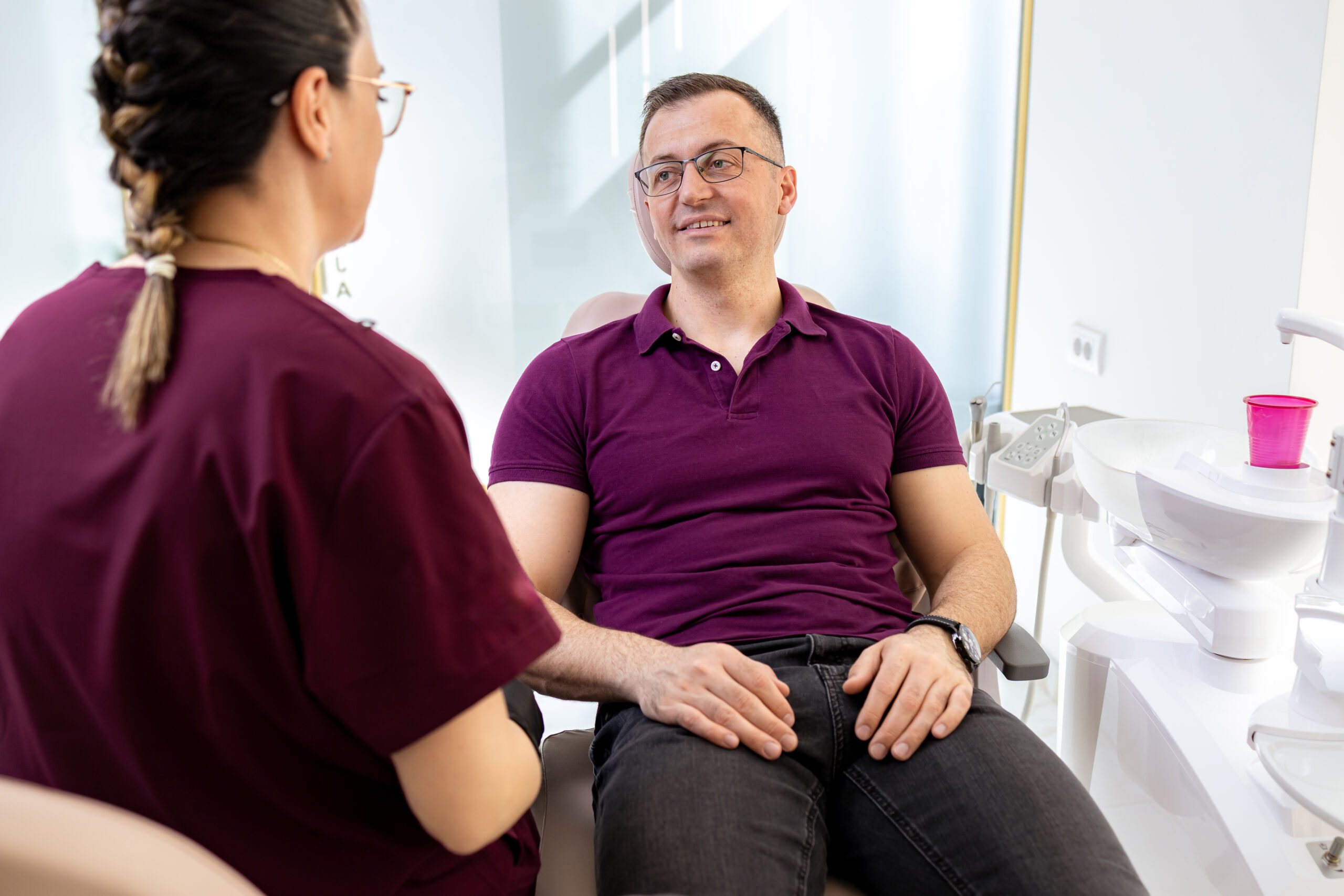
Finding the right dentist for anxiety can change the entire experience. A supportive dental team should listen without judgment, explain treatment clearly, and help you understand what is happening before anything begins.
When choosing a dentist for nervous patients, look for a clinic that emphasizes patient comfort, communication, and gentle care. You want a team that does not rush your questions or make you feel like your fear is inconvenient. Dental anxiety is not a personality flaw. It is a real barrier to care, and it deserves patience.
A good dental anxiety dentist may help by:
- Explaining each step before treatment begins
- Checking in throughout the appointment
- Offering breaks when needed
- Using gentle techniques whenever possible
- Discussing comfort or sedation options
- Creating a calm, respectful environment
- Helping you plan treatment in manageable stages
At True Dental, we understand that many patients arrive feeling afraid of the dentist, embarrassed about their teeth, or unsure of what to expect. Our team is here to meet you where you are, whether you need a simple cleaning, a dental exam, restorative care, or a conversation about options that can make treatment more comfortable. The most important thing to know is that avoiding care does not have to be your only option. Dental anxiety can feel powerful, but the right support can make dental visits feel more manageable, predictable, and positive.
If you are scared to go to the dentist, start with one small step. Ask questions. Tell the team you are nervous. Book a consultation. Bring a support person if that helps. You deserve dental care that feels calm, respectful, and built around your comfort. Dental anxiety may be part of your story, but it does not have to decide the future of your smile. With the right dentist, the right pace, and the right support, you can feel more comfortable and confident at the dentist one visit at a time.