
10 Aug Botox for TMJ: How Dental Botox Can Help Relieve Jaw Pain
Jaw pain can affect far more than your ability to chew. When your jaw feels tight, tired, or sore day after day, everyday activities like eating, speaking, yawning, and even getting a comfortable night’s sleep can become frustrating.
For some people, persistent jaw discomfort is connected to temporomandibular disorders, commonly called TMD and often referred to more casually as TMJ. These conditions affect the jaw joints and the muscles responsible for jaw movement, potentially contributing to pain, stiffness, headaches, and difficulty moving the jaw normally.
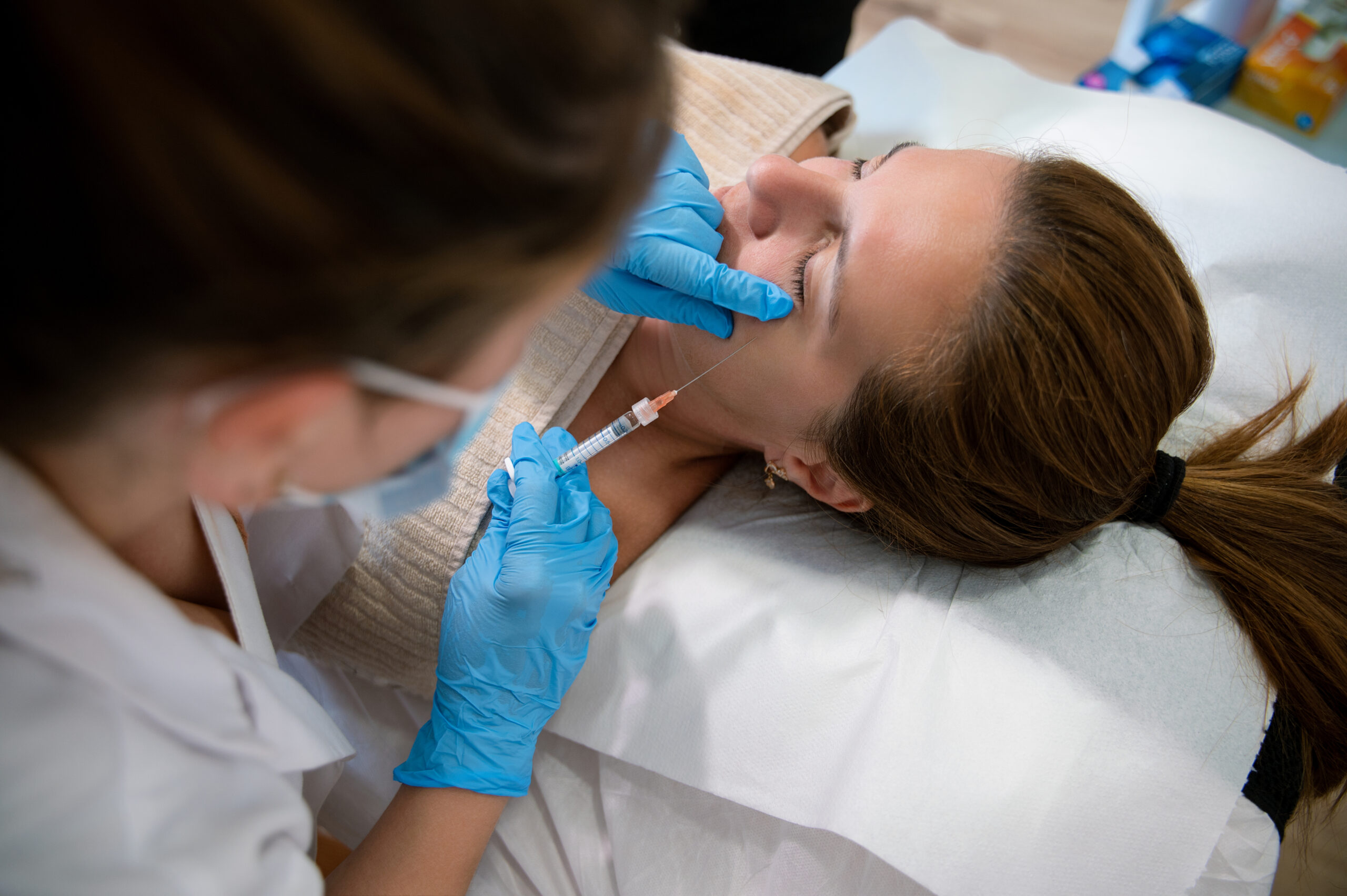
While conservative approaches are often considered first, botox for TMJ may be an option for certain patients whose symptoms involve overworked or tense jaw muscles. In dentistry, botox can be strategically administered to targeted muscles to temporarily reduce excessive muscular activity. At True Dental, patients looking for a West Kelowna dentist can discuss their symptoms, oral health, and available treatment options to determine whether dental botox may have a role in their personalized care plan.
Understanding TMJ and the Causes of Jaw Pain
Your temporomandibular joints sit just in front of your ears, connecting your lower jaw to your skull. These complex joints work together with surrounding muscles and ligaments every time you talk, chew, swallow, or yawn. Technically, TMJ refers to the joint itself, while TMD describes the group of conditions that can affect the joints and surrounding muscles. However, “TMJ” is widely used when people describe jaw pain and dysfunction.
Symptoms may include:
- Pain or tenderness around the jaw
- Facial or temple discomfort
- Jaw stiffness
- Difficulty opening or closing the mouth
- Painful clicking or popping
- Headaches associated with jaw tension
- Discomfort while chewing
- Jaw locking or restricted movement
There is not always one simple cause. Jaw injuries and joint conditions such as arthritis can contribute to TMD, while habits including clenching and grinding may make symptoms worse. Muscle tension and stress may also play a role for some people. One important distinction is bruxism, the habit of grinding or clenching the teeth. Repeated clenching can place significant demands on the muscles responsible for closing the jaw. Over time, these muscles may become tired, tight, or tender. That is where the relationship between TMJ symptoms and botox in dentistry becomes particularly relevant.
How Botox Works for TMJ
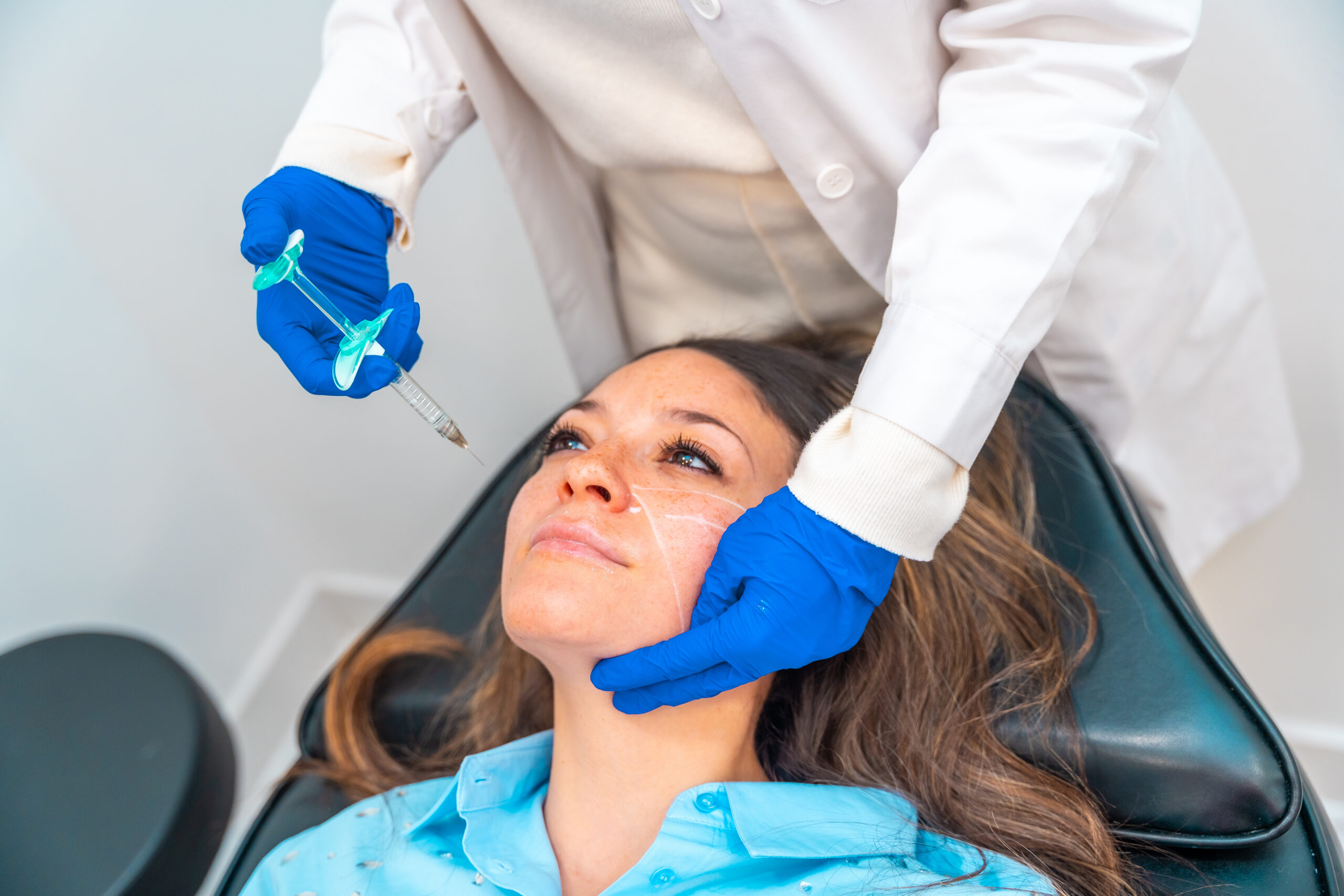
Most people first hear about botox in connection with cosmetic treatments. In a dental setting, however, the same ability to temporarily reduce targeted muscle activity can have other applications. With botox for TMJ, treatment may target muscles involved in excessive clenching or jaw tension. One of the key muscles involved is the masseter, a powerful chewing muscle located along each side of the jaw.
Dental botox may be used to relax muscles around the jaw and help manage symptoms associated with TMJ concerns, teeth grinding, and jaw clenching. Rather than changing the jaw joint itself, a TMJ botox treatment is directed at muscular activity. The goal is to reduce excessive contraction in specifically selected muscles while preserving the normal movement needed for speaking, chewing, and facial expression.
TMJ symptoms have many potential causes, and botox is not appropriate for every form of jaw pain. For example, pain arising primarily from the joint may require a different approach than discomfort driven largely by overactive chewing muscles. This is one reason an assessment is important before proceeding with treatment. Jaw pain should not simply be assumed to be TMJ-related, as other dental and medical conditions can sometimes produce similar symptoms.
Benefits of TMJ Botox Treatment for Jaw Tension and Teeth Grinding
When jaw discomfort is linked to excessive muscular activity, the objective of TMJ botox treatment is straightforward: give those overworked muscles an opportunity to relax. For suitable patients, potential advantages of dentist-administered botox may include addressing muscle-related jaw tension and symptoms associated with clenching or grinding.
Reduced Jaw Muscle Tension
Constantly clenching your jaw can keep the chewing muscles working when they should be resting. By temporarily decreasing activity in selected muscles, botox may help reduce this persistent muscular tension.
Relief From Muscle-Related Jaw Discomfort
Tender, fatigued jaw muscles can make chewing, talking, or opening the mouth uncomfortable. When muscular overactivity is contributing to the problem, reducing that activity may help manage associated discomfort.
Support for People Who Clench or Grind
Bruxism can place stress on both the jaw muscles and teeth. Although botox does not eliminate every cause of teeth grinding, reducing the strength of excessive muscular contractions may be considered as part of a broader treatment strategy for some patients.
A More Targeted Treatment Approach
Dentist botox treatment can be planned according to the muscles involved in an individual patient’s symptoms rather than relying on a one-size-fits-all approach. It is equally important to recognize that TMJ care may involve multiple strategies. Treatment can include relaxation techniques, massage, avoiding excessive chewing, dental appliances, and other supportive approaches depending on the cause of the symptoms.
In other words, botox for TMJ is best viewed as one possible option within a personalized treatment plan rather than a universal solution for every patient with jaw pain.
What to Expect From Dentist Botox Treatment
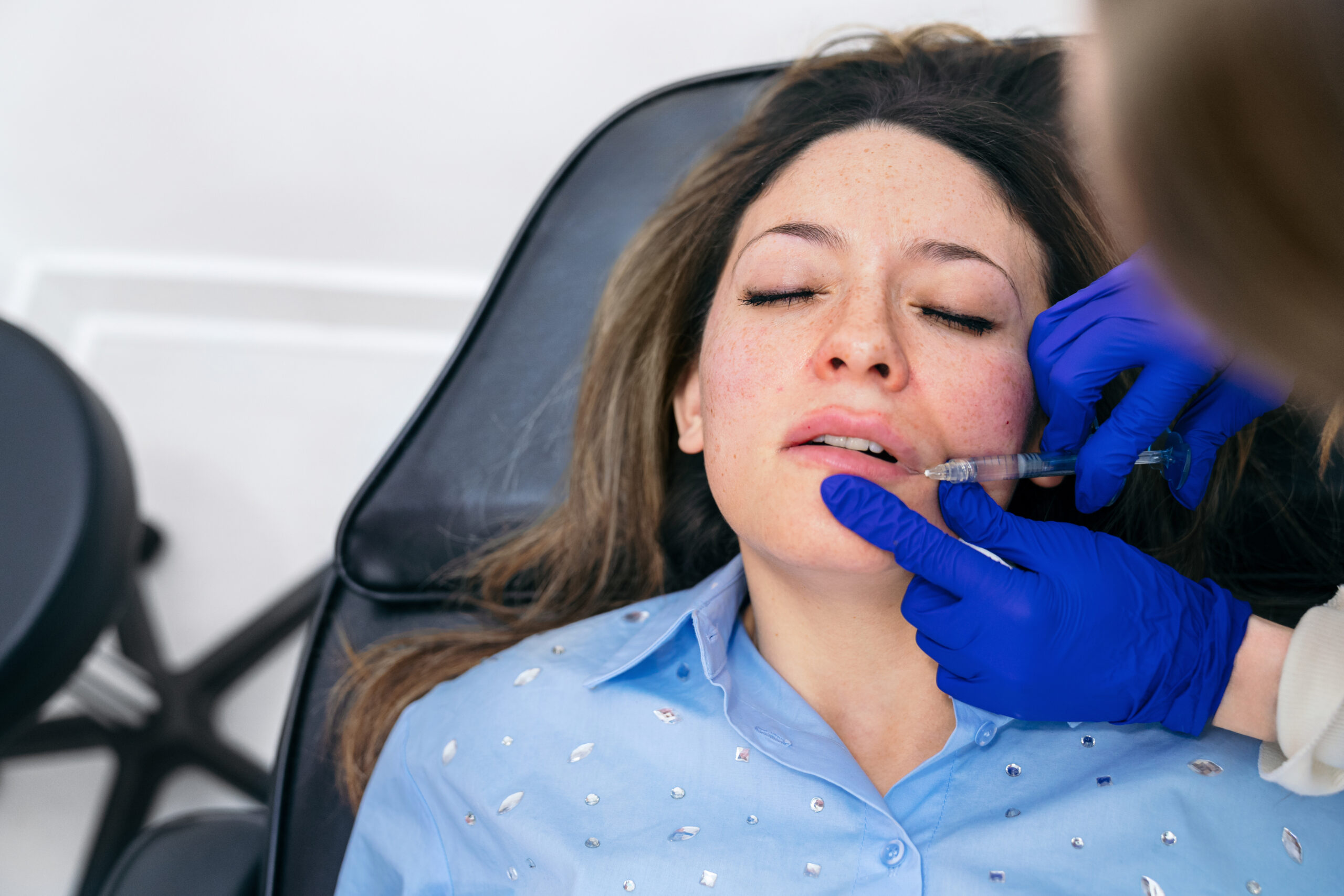
If you are considering dentist botox for TMJ-related symptoms, the process should begin with a consultation rather than an injection. Your dentist first needs to understand what you are experiencing and where the discomfort may be coming from.
A typical assessment may involve discussing:
Your symptoms: Where does your jaw hurt, and when is it most noticeable?
Jaw movement: Do you experience stiffness, locking, or limited opening?
Clenching and grinding: Do you grind your teeth while sleeping or catch yourself clenching during the day?
Muscle tenderness: Are particular muscles around the jaw or temples sensitive?
Your dental history: Is there evidence of wear, damage, or another oral health concern that could be contributing?
Depending on the findings, your dentist can discuss whether botox makes sense or whether another form of care would be more appropriate. If treatment is selected, botox is administered into specific muscles based on your individual needs. Because the treatment is targeted, the location and amount used can vary from one patient to another.
Patients should also discuss possible side effects, treatment limitations, expected duration, costs, and any relevant medical history before proceeding. A consultation provides an opportunity to set realistic expectations and understand how botox TMJ care fits into the bigger picture of your oral and facial health.
Choosing Botox for TMJ at a West Kelowna Dentist
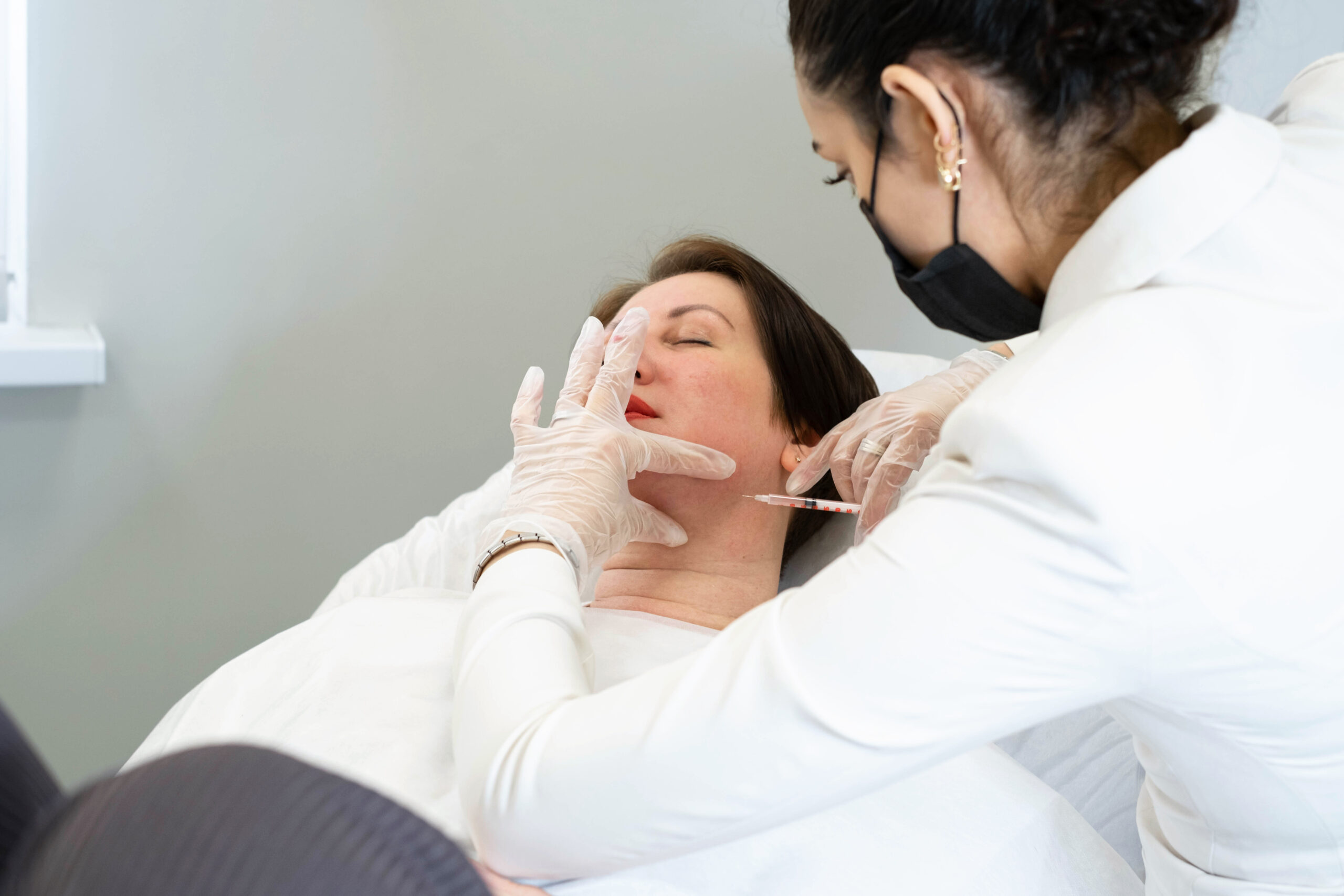
When jaw pain involves the muscles used for chewing, there is a practical reason to discuss it with a dental professional: dentists work with your teeth, bite, jaw, and surrounding oral structures every day.
At True Dental, botox is offered alongside comprehensive dental care in West Kelowna, allowing patients to have their jaw symptoms considered in the context of their overall oral health.
If you have been searching for botox West Kelowna, a Kelowna Botox clinic, or a provider offering botox for TMJ, it is worth looking beyond the injection itself. The more important question is whether your symptoms have been properly assessed and whether the proposed treatment makes sense for their underlying cause.
True Dental’s approach to dental botox includes treatment options for TMJ symptoms as well as aesthetic applications. The clinic’s broader dental services also allow the team to consider other factors that may be contributing to jaw discomfort.
Finding the Right Approach to TMJ Relief
Living with a tight, aching jaw can become exhausting, especially when discomfort follows you from breakfast to bedtime. Persistent jaw pain is something worth discussing with your dental team rather than simply learning to tolerate.
For some patients, botox for TMJ may help manage muscular tension associated with clenching, grinding, or overworked chewing muscles. For others, a night guard, self-care strategies, physical therapy, medication, or another approach may be more appropriate. The key is finding out why your jaw hurts before deciding how to treat it.
If you are experiencing ongoing jaw tension, teeth grinding, facial discomfort, or other TMJ-related symptoms, book a consultation with True Dental. A West Kelowna dentist can assess your concerns and discuss whether TMJ botox treatment or another treatment option may be right for you. Ready to learn more about dental botox in West Kelowna? Contact True Dental to schedule a consultation and take the next step toward a more comfortable jaw.